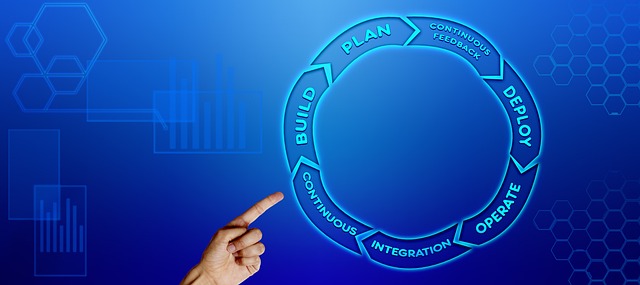
A mid-size fintech firm based in Toronto approached us with a clear challenge: their 45-person engineering department was structured around traditional roles that had not evolved in over six years. Developers handled everything from feature coding to manual QA, and project managers spent disproportionate time on status tracking rather than strategic planning.
Our team conducted a thorough skills assessment and workflow audit across all engineering pods. We identified 12 roles where AI tools could either augment daily tasks or eliminate redundant manual processes entirely. Rather than recommending staff reductions, we designed transition pathways that shifted affected team members into higher-value positions focused on architecture review, customer-facing analysis, and AI tool oversight.
"The restructuring gave our engineers renewed purpose. Instead of fighting repetitive tasks, they now focus on architecture decisions and customer impact. Morale went up across the board." - Sarah M., VP of Engineering, Toronto
A Vancouver-based SaaS company serving the hospitality sector was experiencing growing pains. Their three product teams were releasing updates on a monthly cycle, but customer demand was pushing toward weekly feature drops. The existing manual code review and testing processes simply could not keep pace without introducing unacceptable risk.
We began with a comprehensive evaluation of available AI-powered development tools, narrowing the field to those compatible with the company's tech stack (Python, React, PostgreSQL). After a three-week pilot program with one product team, we expanded the rollout to all teams. The implementation covered AI-assisted code review, automated regression testing with intelligent test generation, and predictive bug detection that flagged potential issues before code reached the staging environment.
The vendor selection process alone saved the client significant time. Rather than running their own multi-month evaluation, our pre-existing knowledge of the tool landscape allowed us to present a shortlist of three viable options within the first week of engagement, complete with compatibility assessments and pricing analyses.
"We went from monthly releases to weekly in under two months. The AI testing suite catches things our manual process missed entirely. The consulting team made the transition feel low-risk and well-managed." - David R., CTO, Vancouver
A Calgary-based firm developing electronic health record (EHR) software faced a unique tension: the need to innovate rapidly while maintaining strict compliance with Canadian health data regulations including PIPEDA and provincial health information acts. Their waterfall-influenced development model was reliable but slow, and their leadership team recognized it would not sustain them through the coming technology shifts.
We designed a hybrid agile-AI methodology tailored specifically for regulated software environments. This framework preserved the documentation rigor and compliance checkpoints that healthcare software demands while introducing AI-assisted sprint planning, automated compliance verification, and continuous integration pipelines. Every process change was validated against regulatory requirements before implementation.
The training component was substantial. Over 28 team members participated in workshops covering the new methodology, and each team lead received additional coaching on managing AI-augmented workflows. We also established an internal governance committee to oversee ongoing process evolution.
"We needed to modernize without compromising on compliance. The consulting team understood our regulatory constraints from day one and designed a solution that respects them completely." - Priya K., Director of Engineering, Calgary
A Montreal-based enterprise software company with over 200 employees and clients across North America engaged us to develop a comprehensive technology strategy covering 2025 through 2030. The company's executive team had identified AI as a priority but lacked a structured framework for deciding where, when, and how to invest.
Our engagement began with executive workshops to align the leadership team on strategic priorities. We then conducted deep-dive assessments of the company's product portfolio, technical infrastructure, competitive landscape, and talent pool. Drawing on our trend analysis for the 2026-2030 period, we identified seven key technology shifts most relevant to their market position and built a phased investment plan around them.
The resulting roadmap included detailed milestones for infrastructure modernization, AI tool adoption across the development lifecycle, a talent development program, and a governance model for evaluating emerging technologies on a quarterly basis. Each phase included budget estimates, risk assessments, and dependencies clearly mapped to help the CFO and board approve funding in stages.
"For the first time, our board has a clear picture of where our technology investments need to go over the next five years. The phased approach makes budgeting manageable, and the quarterly review framework keeps us adaptable." - Marc L., CEO, Montreal
A selection of further consulting projects spanning multiple Canadian provinces and industry sectors.
Implemented AI-assisted code review processes for a government technology contractor in Ottawa. The system reduced review turnaround times and improved consistency across distributed teams working on public sector applications with stringent security requirements.
Developed a three-year digital transformation strategy for an energy sector software provider in Edmonton. The roadmap covered legacy system migration, AI tool adoption, and workforce upskilling aligned with Alberta's evolving energy technology landscape.
Conducted a comprehensive skills gap analysis for a Winnipeg-based logistics technology company with 35 developers. Designed individual learning paths and recommended AI tool training programs tailored to each role, from backend engineers to DevOps specialists.
Redesigned the development methodology for a Halifax-based maritime technology startup. Introduced AI-augmented sprint planning and automated deployment pipelines that reduced the time between feature conception and production release by over one-third.
Helped a fast-growing Waterloo AI startup scale their engineering team from 8 to 30 people while maintaining a cohesive development culture. Created hiring frameworks, onboarding programs, and role definitions that integrated AI-first development practices from the start.
Guided a Quebec City educational technology company through the integration of AI into their learning platform. The project included architecture recommendations, vendor evaluations for natural language processing components, and implementation support for personalized learning features.
Every case study above follows a consistent methodology designed to deliver measurable, lasting results.
We never begin with assumptions. Every engagement starts with thorough analysis of your current state, including interviews, audits, and data collection to understand your unique context.
Recommendations are tailored to your organization. We consider your industry, regulatory environment, team size, budget, and competitive position when designing solutions.
We stay involved through implementation, working alongside your teams to ensure changes are adopted smoothly. Pilot programs and phased rollouts reduce risk and build confidence.
Every engagement includes baseline metrics and progress tracking. We measure impact against defined objectives so you can see results clearly and report them to stakeholders.
Every project starts with a conversation. Share your challenges and goals with our consulting team, and we will outline how our expertise can help your organization prepare for the future of software.